BEAUTYCLINIC St. Gallen
9000 St. Gallen
BEAUTYCLINIC Zurich
8004 Zurich
BEAUTYCLINIC Winterthur
8400 Winterthur
BEAUTYCLINIC Engadin
7513 Silvaplana
BEAUTYCLINIC Chur
7000 Chur

- Body
- Face
- Skin
- Birthmark Removal
- Prices
In the quest for youthful skin and enhanced facial features, filler injections stand out as a beacon of hope for many.
Yet, the plethora of options and the buzz around potential risks can leave one feeling overwhelmed and uncertain.
Dermal fillers are substances injected beneath the skin to restore volume, smooth lines, or enhance contours, offering a non-surgical solution to look younger.
This article will guide you through the different types of filler injections, their benefits, regulatory approvals, procedural steps, risks, recovery, and how to choose the right provider, ensuring you are well-informed and ready to make the best decision for your beauty needs.
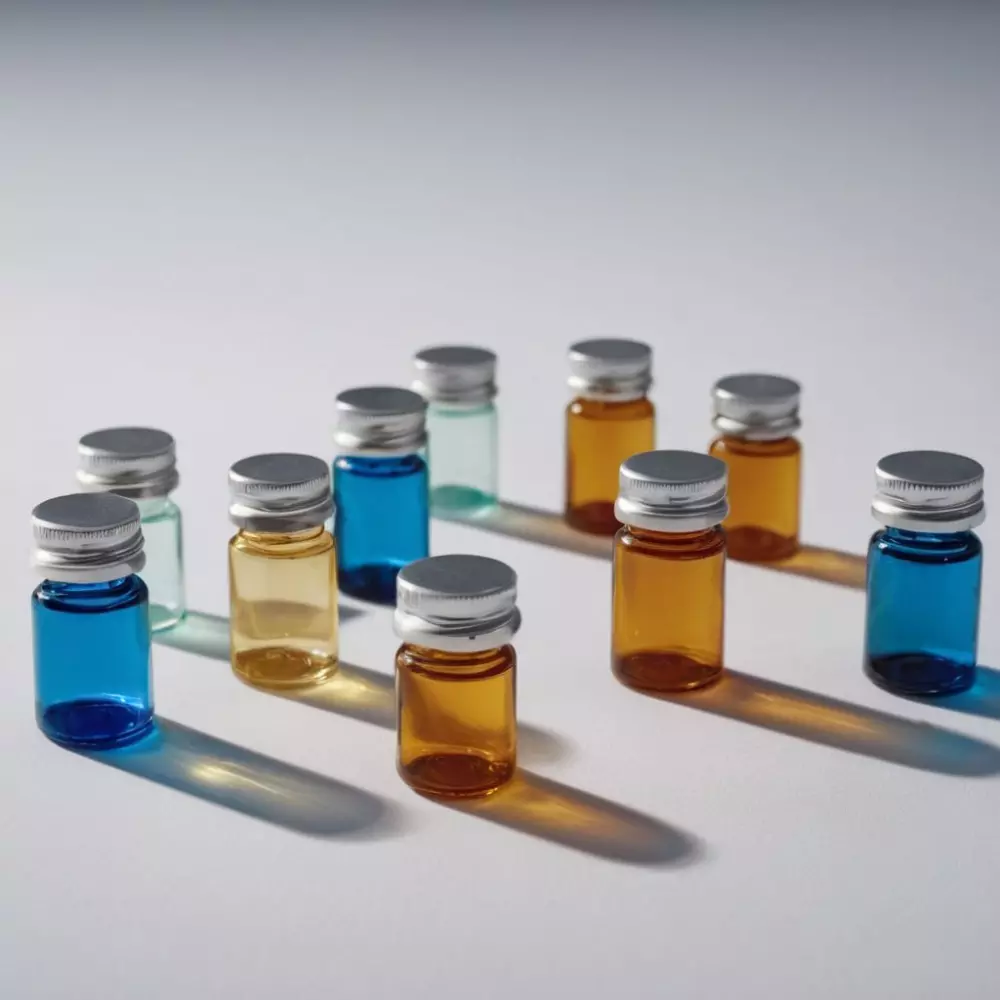
When considering cosmetic enhancements, it's essential to understand the diversity among filler injections. Injectable dermal fillers are not a one-size-fits-all solution; they vary significantly in composition, application areas, and expected outcomes. These fillers, primarily designed to restore lost volume and smooth out wrinkles, are categorized based on the substance they're made from. This categorization plays a crucial role in determining the most suitable type for each individual’s unique needs.
Among the most commonly used fillers are hyaluronic acid (HA) fillers, calcium hydroxylapatite, poly-L-lactic acid, and polymethylmethacrylate (PMMA). Each type serves distinct purposes:
The choice of filler is determined by several factors, including the area of concern, desired longevity of results, and the individual’s skin type. Dermal filler injections are a tailored experience, requiring a thorough consultation with a skilled provider who can assess facial anatomy and recommend the best option. Understanding these differences ensures that individuals can make informed decisions about their cosmetic treatments, aiming for natural-looking enhancements that align with their aesthetic goals.
Hyaluronic acid fillers stand out in the realm of cosmetic procedures for their versatility and safety. As a substance that occurs naturally in the body, HA fillers are well-tolerated, reducing the risk of allergic reactions. They work by attracting and retaining water, which results in immediate volumization and hydration of the skin. This effect can smooth out facial wrinkles, plump thin lips, and restore volume to cheeks, delivering a youthful appearance. The added benefit of containing lidocaine in most HA filler formulations helps minimize discomfort during the dermal filler procedure.
Beyond their aesthetic benefits, HA fillers also promote healthier skin. They have been shown to stimulate the body's own collagen production, improving skin elasticity and firmness over time. The results of HA fillers are temporary, lasting from 6 to 12 months, which allows for adjustments as natural aging continues. This aspect of hyaluronic acid fillers offers a flexible approach to facial rejuvenation, making them a popular choice for those seeking to maintain a natural look with minimal downtime.
When contemplating filler injections, understanding the FDA's approval process is crucial for ensuring both safety and efficacy. The FDA scrutinizes dermal fillers through comprehensive reviews of clinical data from controlled studies. These studies evaluate the fillers' safety and effectiveness when injected into specific areas of the face and hands. This stringent evaluation process is designed to give consumers peace of mind, knowing that FDA-approved fillers have met rigorous standards for use. It's essential to choose products that have undergone this approval process to minimize risks and achieve the desired aesthetic outcomes.
The FDA's approval of a new dermal filler or a new indication for an existing filler is accompanied by the publication of a Summary of Safety and Effectiveness Data. This summary provides detailed information on the non-clinical and clinical data reviewed by the FDA, offering a reasonable assurance of the product's safety and effectiveness. For consumers, this means:
By being informed about the FDA's approval process and the specific details of approved fillers, consumers can make more educated decisions about their cosmetic treatments, ensuring they opt for safe and effective solutions.
The U.S. Food and Drug Administration (FDA) has issued stern warnings about the dangers of using unapproved needle-free devices for dermal filler injections. These devices, often marketed under names like Hyaluron Pens, are not sanctioned by the FDA for injecting substances like hyaluronic acid or other lip and facial fillers. The allure of these devices stems from their non-invasive claims, promising beauty enhancements without the need for traditional needles. However, the FDA stresses that these devices can lead to serious adverse events, including permanent damage to the skin, lips, and eyes, underscoring the importance of opting for FDA-approved methods and products.
The rise of online marketplaces has made it easier for consumers to access a wide range of cosmetic products, including these unapproved needle-free injection devices and fillers. This accessibility, however, comes with significant risks. The FDA is actively monitoring online platforms to protect consumers from these unapproved products, which bypass the critical safety measure of consulting with a licensed healthcare provider. Key points to remember include:
The journey towards enhancing your facial features with filler injections begins with a consultation. This initial step is crucial as it involves a thorough assessment of your facial anatomy, discussion of your aesthetic goals, and selection of the appropriate filler type. The provider will examine the areas of your face you wish to enhance and may mark strategic points as potential injection sites. This personalised approach ensures that the treatment plan is tailored specifically to meet your needs, laying the groundwork for optimal results.
Following the consultation, the actual injection process takes place. This step is relatively quick, often taking only a few moments per injection site. The provider will:
Post-treatment care is the final step in the filler injection procedure. After the injections, you may be given specific instructions to ensure the best possible healing and results. These instructions might include avoiding strenuous activities, direct sunlight, and applying ice to reduce swelling. It’s important to follow these guidelines closely to support a smooth recovery and enjoy the full benefits of your filler injections. Remember, the results can be seen almost immediately, but it may take a few days for any swelling or bruising to subside, revealing the full effect of the treatment.
While filler injections offer a promising route to rejuvenate and enhance facial features, it's crucial to be aware of the potential risks and complications involved. The side effects can range from mild to severe, including allergies, scarring, and more uncommonly, vascular complications that could lead to skin necrosis. These risks underscore the importance of seeking treatments from experienced and qualified cosmetic surgeons who can correctly administer the injections and manage any complications should they arise.
The body's reaction to dermal fillers varies, with some individuals experiencing temporary redness, swelling, or bruising at the injection sites. More serious complications, although rare, include:
Understanding these potential risks is not meant to deter individuals from seeking dermal filler treatments but to highlight the importance of professional consultation. Choosing a provider who uses FDA-approved fillers and follows stringent aseptic injection techniques is crucial for minimizing risks and ensuring a safe, satisfying outcome.
After receiving filler injections, the recovery process is generally swift and uncomplicated, allowing most individuals to return to their daily routines almost immediately. However, it's normal to experience minimal to moderate swelling and tenderness at the injection sites. To manage these effects and aid in optimal healing, applying an ice pack or a bag of frozen peas to the swollen area for a maximum of 10 minutes per hour on the day of treatment is recommended. This can significantly diminish swelling, which typically lasts between 3-4 days.
In addition to managing swelling, there are a few more care tips to ensure a smooth recovery:
Following these guidelines closely can help minimise discomfort and facilitate a quicker recovery, allowing you to enjoy the full benefits of your filler injections with minimal downtime.
Anticipating the new look after filler injections involves understanding the realistic outcomes and how long they typically last. Filler injections offer immediate results, revealing a more youthful and revitalized appearance. However, it's crucial to bear in mind that these results are not permanent. Depending on the type of filler used and the area treated, the effects can last anywhere from 6 months to 2 years. This variance is due to factors such as the body's metabolic rate and the nature of the filler material itself.
It's also important to set realistic expectations regarding the enhancement fillers can provide. While fillers are excellent for restoring lost volume and smoothing out wrinkles, they work within the limits of your natural facial anatomy. Key points to remember include:
If you're contemplating the idea of getting filler injections, it's crucial to arm yourself with knowledge to make an informed decision. Research is your best friend in this journey. Start by understanding the different types of fillers available and their intended uses. For example, hyaluronic acid fillers are popular for their hydrating properties and are commonly used for lip enhancement and smoothing out fine lines. On the other hand, calcium hydroxylapatite fillers are better suited for deeper wrinkles and facial contouring. Knowing the specifics can help you narrow down the options that best suit your aesthetic goals.
Beyond the type of filler, consider the provider's expertise and experience. A skilled and experienced provider is not just an added bonus; it's a fundamental aspect of ensuring successful and satisfying results. Here are a few tips to help you choose the right provider:
Remember, choosing a provider who prioritises safety and has a keen aesthetic eye can significantly enhance your overall experience and outcomes.
Consulting with a qualified provider before embarking on filler injections is not just a preliminary step; it's a crucial part of ensuring your safety and satisfaction with the outcome. The expertise of the provider plays a significant role in tailoring the treatment to your specific needs, taking into account your facial anatomy, skin condition, and aesthetic goals. This personalized approach helps in achieving results that are not only stunning but also look natural, aligning with your unique beauty.
Moreover, a consultation with a professional allows for a detailed discussion about the potential risks and benefits of filler injections. This open dialogue is essential for setting realistic expectations and understanding the procedure, recovery, and care required post-treatment. By choosing to consult with a provider who prioritizes patient education and safety, you're taking a wise step towards a successful cosmetic enhancement experience.
Choosing the right provider for your filler treatments is paramount to ensuring a safe and satisfactory experience. Start by looking for a provider with a strong background in cosmetic procedures and a deep understanding of facial anatomy. Credentials and experience in administering filler injections are non-negotiables. It's also advisable to review before-and-after photos of their previous work to gauge their aesthetic judgment and skill level.
Transparency and communication are key indicators of a trustworthy provider. During your consultation, a good provider will openly discuss the types of fillers they use, the expected outcomes, and any potential risks involved. They should also be willing to answer all your questions, ensuring you feel informed and comfortable with the procedure. Remember, a provider's willingness to engage in an open dialogue about your treatment is a strong sign of their commitment to patient safety and satisfaction.
For those seeking alternatives to filler injections, BEAUTYCLINIC presents a suite of treatments that offer natural, safe, and effective solutions. Lanluma X is a standout option for individuals looking to enhance their buttocks without surgery, stimulating collagen production for a more voluptuous appearance. Additionally, Cellu supercharged targets cellulite through a unique combination of heat and a foreign body reaction, effectively reducing cellulite for smoother skin. These innovative treatments provide a non-surgical path to achieving your aesthetic goals, making them excellent alternatives or complements to traditional filler injections.
Morpheus 8 takes skin rejuvenation to the next level with advanced fractional radiofrequency microneedling, promoting skin tightening and a youthful glow. BEAUTYCLINIC's offerings are designed to:
These benefits underscore the clinic's commitment to offering personalized and cutting-edge solutions for beauty enhancement. For those interested in exploring these alternatives, BEAUTYCLINIC encourages a consultation to tailor treatments to individual needs, ensuring the best possible outcomes. Visit BEAUTYCLINIC to discover how you can achieve your aesthetic objectives safely and effectively.
Injectable fillers offer immediate results, revealing a more youthful and revitalized appearance. However, these results are not permanent and can last anywhere from 6 months to 2 years, depending on the type of filler used and the area treated. This variance is due to factors such as the body's metabolic rate and the nature of the filler material itself.
Yes, fillers are generally safe for your face, especially when FDA-approved products are used and the injections are administered by experienced and qualified cosmetic surgeons. However, it's crucial to be aware of potential risks and complications, which can include allergies, scarring, and more uncommonly, vascular complications that could lead to skin necrosis. The safety of fillers also depends on the provider's expertise in correctly administering the injections and managing any complications should they arise.
Filler injections can be made from various substances, primarily designed to restore lost volume and smooth out wrinkles. The most commonly used fillers include hyaluronic acid (HA) fillers, calcium hydroxylapatite, poly-L-lactic acid, and polymethylmethacrylate (PMMA). Each type serves distinct purposes, such as hydrating the skin, stimulating collagen production, providing long-term results, or restoring volume in areas like the cheeks.
We understand that aesthetic treatment needs to be carefully considered. We are therefore happy to take the time to answer all your questions during a free, no-obligation initial consultation. Arrange your consultation appointment today at one of our BEAUTYCLINICs.
If you would like a brief online preliminary clarification before your consultation, you can also contact us by e-mail.
No matter which way you want to reach us - we look forward to hearing/reading from you!


