BEAUTYCLINIC St. Gallen
9000 St. Gallen
BEAUTYCLINIC Zurich
8004 Zurich
BEAUTYCLINIC Winterthur
8400 Winterthur
BEAUTYCLINIC Engadin
7513 Silvaplana
BEAUTYCLINIC Chur
7000 Chur

- Body
- Face
- Skin
- Birthmark Removal
- Prices
Imagine a world where damaged tissues and organs can be regenerated with precision and efficiency.
The challenge of restoring complex biological functions has long been a formidable barrier in medicine.
Regenerative medicine nanotechnology leverages the power of tiny structures to mimic and enhance the natural processes of tissue regeneration, offering groundbreaking solutions.
This blog will delve into the transformative role of nanotechnology in regenerative medicine, exploring its application in tissue engineering, bone and cardiac repair, neural regeneration, and more.
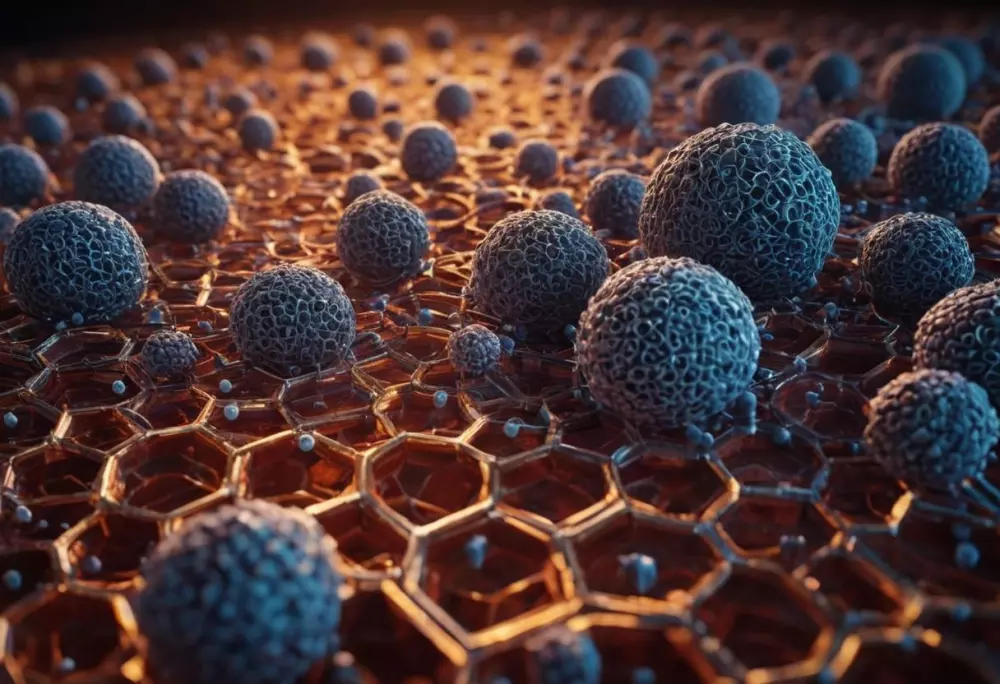
Nanotechnology is revolutionizing the field of tissue engineering by offering innovative solutions that enhance the body's natural healing processes. By manipulating materials at the nanoscale, scientists can create structures that closely mimic the cellular environment, making it easier for cells to grow and regenerate tissue. This integration of nanotechnology in regenerative medicine not only improves the functionality of engineered tissues but also accelerates the development of implantable systems that are more compatible with the human body.
The application of nanotechnology in tissue engineering involves a variety of techniques, including the use of nanoparticles, nanofibers, and nanostructured scaffolds. These materials can be designed to interact specifically with biological tissues, promoting cell attachment and proliferation. Key benefits include enhanced mechanical properties, controlled delivery of biological agents, and improved integration with host tissue, which collectively contribute to more effective regenerative therapies.
Nanofibers are a pivotal component in regenerative medicine due to their ability to mimic the extracellular matrix, providing a scaffold that supports cell growth and differentiation. These fibers can be engineered to possess specific properties such as biodegradability, mechanical strength, and bioactivity, which are essential for tissue regeneration. Applications range from bone to neural and vascular tissues, making nanofibers a versatile tool in various regenerative medicine strategies.
Advances in bone regeneration via nanotechnology have led to the development of sophisticated scaffolds that not only support but also stimulate the osteogenic process. These nano-enhanced materials can deliver growth factors and other osteoinductive agents directly to the site of injury, improving the healing process. The use of nanoparticles in these scaffolds enhances their mechanical strength and biocompatibility, making them highly effective for treating bone defects and diseases.
In cardiac tissue engineering, nanotechnology plays a crucial role by providing materials that can mimic heart tissue structure and function. Nanostructured scaffolds facilitate the alignment and organization of cardiac cells, essential for proper heart function. Moreover, these scaffolds can be equipped with nanoscale sensors that monitor tissue function and deliver therapeutic agents, significantly improving the outcomes of heart repair therapies.
Nanotechnology is making significant strides in the field of corneal reconstruction, providing innovative solutions to complex visual impairments. By utilizing nanoscale materials and techniques, scientists are able to create more effective and biocompatible implants that mimic the natural properties of the cornea. This not only addresses the limitations of traditional donor tissues but also enhances the healing process, leading to improved patient outcomes. The ability of nanotechnology to manipulate materials at such a small scale allows for precise control over the physical and chemical properties of the implants, making them highly adaptable to individual patient needs.
Among the applications of nanotechnology in corneal reconstruction, the development of nanostructured scaffolds and nanofiber-based implants stands out. These technologies offer several benefits:
In the realm of neural tissue engineering, nanotechnology is playing a pivotal role in developing solutions for nerve regeneration and repair. Researchers utilize nanomaterials to create scaffolds that support the growth and differentiation of neural cells. These nanostructures are designed to mimic the natural neural environment, which is crucial for the effective integration and functionality of the engineered tissues. The key advantages of using nanotechnology in this field include:
Nanoparticle labels significantly enhance the effectiveness of stem cell therapies by improving the visibility and tracking of stem cells once they are introduced into the body. These labels, often composed of materials like quantum dots or magnetic nanoparticles, allow researchers and medical professionals to monitor the migration, survival, and differentiation of stem cells in real-time. This is crucial for assessing the therapy's success and making necessary adjustments. Key benefits of using nanoparticle labels in stem cell therapy include:
For those keen on staying updated with the latest research in nanotechnology applied to regenerative medicine, several key journals serve as valuable resources. 'Nanomedicine: Nanotechnology, Biology, and Medicine' offers insights into the integration of nanotechnology with biological applications, including regenerative medicine. 'Journal of Nanobiotechnology' focuses on the biotechnological applications of nanotechnology, featuring cutting-edge research on nanostructures and their medical applications. 'ACS Nano' and 'Nano Letters' also frequently publish articles on nanotechnological innovations in medicine, providing a broader scientific context that can enhance understanding in this specialized field.
At BEAUTYCLINIC, we embrace the forefront of aesthetic innovation, paralleling the advancements discussed in regenerative medicine nanotechnology. Our treatments, such as Morpheus 8 and Lanluma X, utilize cutting-edge technologies to enhance natural beauty without invasive surgery. These procedures are designed to work at the cellular level, much like the nano-enhanced scaffolds in tissue engineering, promoting natural tissue regeneration and offering remarkable aesthetic improvements.
For those seeking transformative aesthetic solutions, BEAUTYCLINIC provides a variety of options:
Each treatment is tailored to meet individual needs, ensuring personalized and effective outcomes. We encourage you to visit our website at BEAUTYCLINIC to explore how these advanced treatments can meet your aesthetic goals.
Regenerative medicine technology involves using advanced techniques, such as nanotechnology, to enhance or mimic natural processes for tissue regeneration. This can include creating nanostructured scaffolds, using nanoparticles, and employing nanofibers to support cell growth and repair tissues like bone, cardiac tissue, and nerves.
Stem cell therapy itself is not nanotechnology, but the blog post discusses how nanotechnology can enhance stem cell therapy. This enhancement comes through the use of nanoparticle labels that improve the tracking, imaging, and monitoring of stem cells, which is crucial for assessing the effectiveness of the therapy.
We understand that aesthetic treatment needs to be carefully considered. We are therefore happy to take the time to answer all your questions during a free, no-obligation initial consultation. Arrange your consultation appointment today at one of our BEAUTYCLINICs.
If you would like a brief online preliminary clarification before your consultation, you can also contact us by e-mail.
No matter which way you want to reach us - we look forward to hearing/reading from you!


