BEAUTYCLINIC St. Gallen
9000 St. Gallen
BEAUTYCLINIC Zurich
8004 Zurich
BEAUTYCLINIC Winterthur
8400 Winterthur
BEAUTYCLINIC Engadin
7513 Silvaplana
BEAUTYCLINIC Chur
7000 Chur

- Body
- Face
- Skin
- Birthmark Removal
- Prices
Have you ever wondered if those unsightly sun spots could simply be frozen away?
Sun spots can be a persistent reminder of too much time spent in the sun, often leading to frustration for those who desire clear skin.
Freezing, or cryotherapy, uses extreme cold to effectively destroy sun spot cells, making it a popular choice for sun spot removal.
This blog will explore the intricacies of cryotherapy for sun spot removal, delve into various treatment options, and provide insights on post-treatment care and prevention strategies.
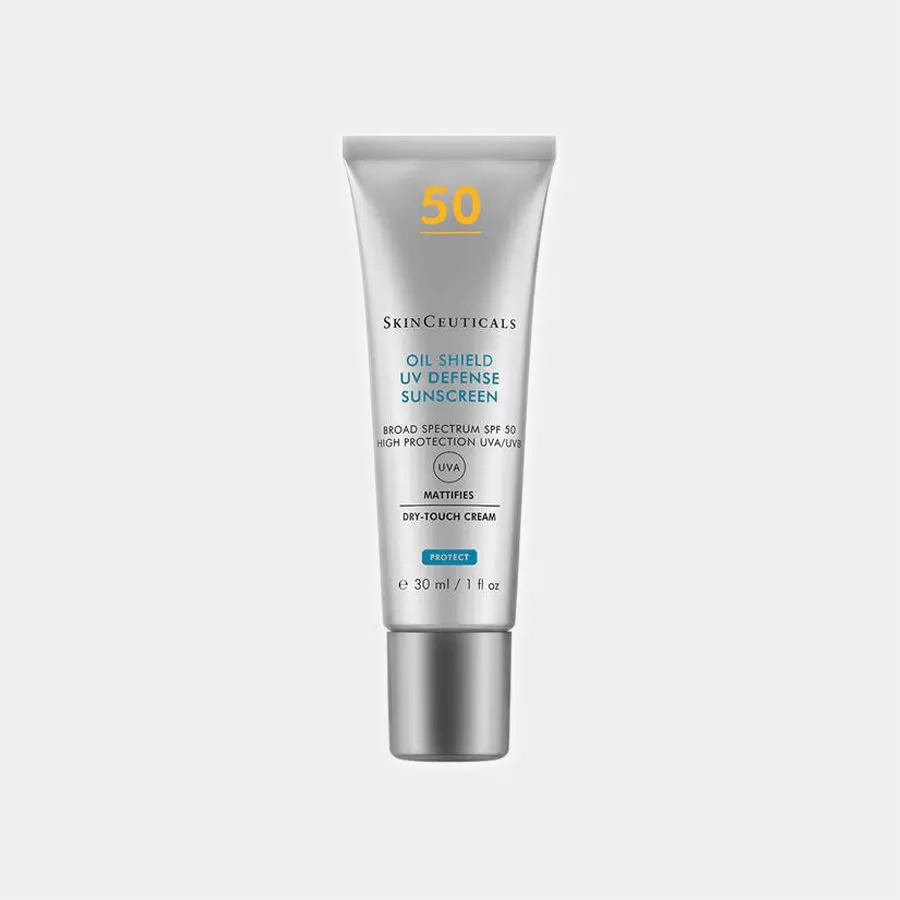
Cryotherapy, specifically when dealing with sun spots, employs the science of extreme cold to target and destroy the pigmented cells. This method leverages temperatures low enough to cause ice crystal formation within the cells, leading to their rupture and subsequent removal from the skin. The process is not only quick but also minimizes damage to surrounding tissues, making it a precise tool for enhancing skin appearance.
The effectiveness of cryotherapy in sun spot removal is largely due to its ability to selectively target the melanin-rich cells responsible for the dark spots. By applying a controlled freezing action, only the unwanted cells are affected, preserving the healthy skin around them. This selective targeting helps in achieving clear skin without the risks of more invasive procedures.
Liquid nitrogen, a common cryogenic used in dermatology, plays a crucial role in the removal of sun spots through cryotherapy. At temperatures around -200°C, liquid nitrogen is applied directly to the sun spots, instantly freezing and destroying the hyperpigmented cells. The rapid freezing induces a form of cell death known as necrosis, effectively clearing the spots with minimal risk of scarring.
Dermatologists often prefer liquid nitrogen for several reasons:
This method not only ensures effective removal but also a smoother and clearer skin appearance post-treatment.
Sun spots, often reminders of prolonged sun exposure, can be unsightly and bothersome. Fortunately, there are multiple treatment options available for those looking to reduce or eliminate these skin blemishes. From professional laser treatments and chemical peels to at-home remedies like using lemon juice or over-the-counter creams, the choice of treatment depends largely on the severity of the spots and the individual's skin type. It's important to consult with a dermatologist to choose the safest and most effective option for your specific skin condition.
Professional treatments like microdermabrasion, cryotherapy, and laser resurfacing offer targeted approaches to reduce sun spots by removing or damaging the pigmented cells. These procedures should be performed by trained professionals to ensure safety and effectiveness. On the other hand, at-home treatments might include ingredients like glycolic acid or vitamin C to gradually lighten the spots. Regardless of the method chosen, it's crucial to follow a proper skin care regimen and protect the skin from further sun damage.
Preparing for any sun spot removal treatment involves several important steps to ensure the safety and effectiveness of the procedure. Firstly, it's crucial to consult with a dermatologist who can provide a thorough skin assessment and recommend the most appropriate treatment for your skin type and condition. They can also advise on any pre-treatment care needed, such as avoiding sun exposure and certain skincare products that might interfere with the treatment.
Before undergoing treatments like laser therapy or chemical peels, patients may need to follow specific guidelines such as:
Following these guidelines helps prepare the skin for treatment, reducing the risk of complications and ensuring the best possible results.
After undergoing a sun spot removal treatment, proper care is crucial to promote healing and prevent complications. Initially, the treated area may be sensitive, and it's important to protect it from direct sunlight. Using a broad-spectrum sunscreen and wearing protective clothing can help shield the skin from harmful UV rays. Additionally, keeping the skin hydrated with gentle, non-comedogenic moisturizers can aid in the recovery process.
Other post-treatment care tips include:
Adhering to these care instructions can significantly enhance the healing process and help maintain the results of the sun spot removal treatment.
While treatments for sun spot removal are generally safe when performed by qualified professionals, they do come with potential risks and side effects. Common concerns include temporary redness, swelling, and discomfort, which typically resolve on their own. However, more serious risks like scarring, changes in skin pigmentation, and even burns can occur, especially if the procedure is not performed correctly.
It is essential to:
Being well-informed and cautious can help mitigate these risks and lead to a successful sun spot removal experience.
Dermatologists offer a variety of treatments for removing dark spots, each tailored to the specific needs and skin types of their patients. Topical creams containing active ingredients like hydroquinone, retinoids, and vitamin C are frequently prescribed to fade dark spots gradually. These creams work by reducing melanin production and accelerating cell turnover, which helps in lightening the spots over time. Additionally, dermatologists may recommend chemical peels, which involve applying a solution to exfoliate the top layers of skin and promote new, spot-free skin growth.
For more immediate results, in-office procedures such as laser therapy and intense pulsed light (IPL) treatments are popular options. Laser therapy uses concentrated beams of light to target and break down melanin-rich cells without harming the surrounding skin. IPL treatments, similarly, use broad-spectrum light to reduce the appearance of spots. Both treatments require multiple sessions for optimal results and are known for their precision and effectiveness in spot reduction. Following these treatments, it's crucial to maintain skin health with proper post-treatment care and sun protection to prevent new spots from forming.

After addressing existing sun spots, it's crucial to focus on preventing new ones from forming. Sun protection plays a vital role in this process. Consistent use of broad-spectrum sunscreen, which blocks both UVA and UVB rays, is essential even on cloudy days or when indoors, as UV rays can penetrate windows. This proactive approach not only helps prevent new sun spots but also guards against other forms of skin damage.
Beyond sunscreen, incorporating protective clothing and accessories into your daily routine can significantly enhance your defense against sun damage. Consider these additional measures:
Adopting these habits helps maintain your skin's health and appearance, reducing the likelihood of future sun spots.
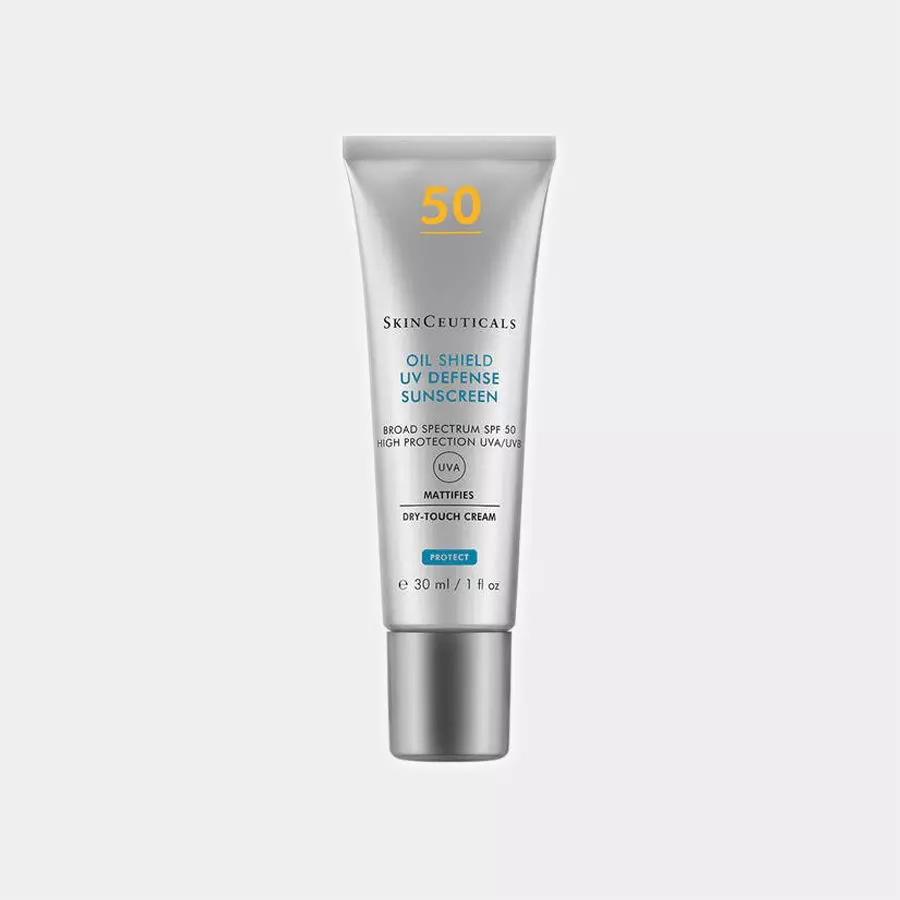
Following any skin treatment, such as cryotherapy for sun spot removal, the skin becomes more vulnerable to sun damage while it heals. Applying a broad-spectrum sunscreen with an SPF of 30 or higher is crucial to protect the delicate skin and preserve the results of the treatment. This step is not just about preventing sunburn; it's about ensuring long-term skin health and preventing the recurrence of sun spots.
In addition to regular sunscreen application, it's important to be mindful of your overall sun exposure post-treatment. Here are some effective strategies:
These practices are essential to safeguard your skin, helping maintain the benefits of your treatment and keeping your complexion clear and healthy.
At BEAUTYCLINIC, professional sun spot removal is elevated to an art form, combining advanced technology and expert care. The clinic offers a variety of treatments tailored to effectively address sun spots, ensuring minimal discomfort and optimal results. With options like cryotherapy, laser treatments, and chemical peels, each procedure is designed to suit different skin types and sun spot conditions.
Choosing BEAUTYCLINIC not only guarantees a professional approach but also a supportive post-treatment care plan. Benefits of opting for their services include:
Yes, sun spots can be removed by freezing. This method, known as cryotherapy, uses extreme cold to effectively destroy the cells of sun spots. It involves applying liquid nitrogen directly to the sun spots, which freezes and destroys the hyperpigmented cells through a process that induces necrosis, effectively clearing the spots with minimal risk of scarring.
Yes, freezing can get rid of dark spots, specifically sun spots, by using a method called cryotherapy. This technique utilises extreme cold to target and destroy the melanin-rich cells that cause dark spots, leaving the surrounding healthy skin unaffected.
Yes, cryotherapy is effective for sun spot removal. It targets and destroys the pigmented cells responsible for sun spots by using extremely low temperatures to cause ice crystal formation within the cells, leading to their rupture. This method is precise and minimises damage to surrounding tissues.
No, regular ice cannot remove sun spots. Cryotherapy, which involves the application of extreme cold, typically uses liquid nitrogen at temperatures around -200°C to effectively target and destroy the cells of sun spots. Regular ice does not reach these temperatures and therefore is not effective for sun spot removal.
We understand that aesthetic treatment needs to be carefully considered. We are therefore happy to take the time to answer all your questions during a free, no-obligation initial consultation. Arrange your consultation appointment today at one of our BEAUTYCLINICs.
If you would like a brief online preliminary clarification before your consultation, you can also contact us by e-mail.
No matter which way you want to reach us - we look forward to hearing/reading from you!


